The Strava Run You Forgot Was Public
The Run You Forgot Was Public
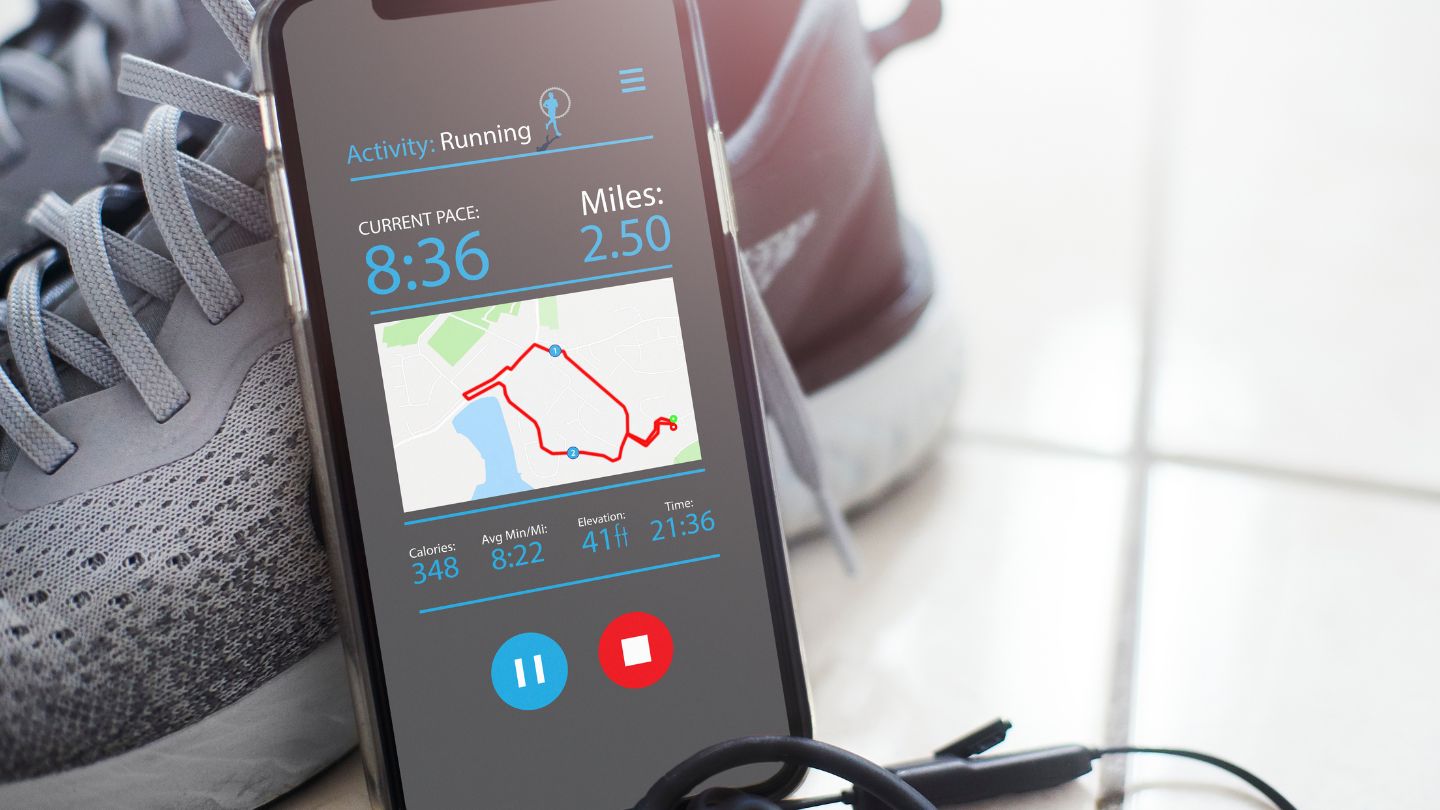
In October 2024, Le Monde published an investigation into how the bodyguards of world leaders use the fitness app Strava. Its journalists identified 26 members of the US Secret Service, 12 members of the French presidential security group and six members of Russia’s Federal Protection Service with public profiles on the app. By following the published runs of the French president’s protection officers, they established that he had spent a weekend in Honfleur in 2021 which did not appear on his official schedule.
Officers whose job includes protecting someone else’s whereabouts had published their own, simply by recording their exercise. Many people who use fitness apps and social media share similar information. In personal injury claims, that kind of material can become evidence. A 2024 High Court judgment shows how much weight it can carry, and a later ruling in the same case shows why it usually has to be found by the defendant rather than handed over.
The accident and the claim
In July 2018, the claimant in [2024] EWHC 806 (KB) went out at night with her family to see bioluminescent plankton at Aberavon, near Port Talbot, and fell four to five metres from the pier onto the rocks below. She suffered a moderately severe brain injury and skull fractures, and surgeons had to remove part of her skull to relieve the pressure on her brain. Nobody disputed that she had been seriously hurt.
Liability was settled at two thirds in her favour, so the trial in March 2024 was about how much compensation she should receive. Her schedule valued the claim at £2,352,261, while the defendant put it at no more than about £368,000. The difference between those figures turned on how far she had recovered.
What she said about her disabilities
Her case was that the injury had left her severely disabled. According to the judgment, she said in a 2020 benefits form that she could walk less than 20 metres, always used a stick and could not cope with busy places because of her sensitivity to noise. She told one of the medical experts that she had not travelled or been to music festivals since the accident, and in her 2022 witness statement she said she avoided crowds and would never be able to go on the kind of foreign holidays she used to enjoy. Throughout this period she was working five days a week, and her employer’s performance reviews described her work as excellent.

What the surveillance and social media showed
The defendant served surveillance footage in July 2023. It included a spa weekend on which she was filmed walking up a hill with no limp and no stick, having driven her friends there. The solicitor who acted for her later accepted that the case changed substantially once the video was served.
The footage led the defendant to ask for her social media, and in November 2023 the court ordered her to disclose it along with her employment and benefits records. Her posts showed a Spice Girls concert in Cardiff in May 2019, where by her own account she did not stop screaming, singing and dancing. Within weeks she had been to a second Spice Girls concert and a Pink concert, and had spent a week in Zante with no photograph showing a walking stick. There were also spa weekends, weddings and hen parties that she had not described to the experts.
The decision
The judge found that she had lied repeatedly to the experts, the benefits agency and the court about her disabilities, and he assessed her genuine claim at just under £600,000. Under section 57 of the Criminal Justice and Courts Act 2015, once a court is satisfied on the balance of probabilities that a claimant has been fundamentally dishonest, it must dismiss the whole claim, including the honest part, unless that would cause the claimant substantial injustice. The judge found no substantial injustice and dismissed the claim.
The settlement history shows what that cost her. After the surveillance was served, the defendant offered £152,246 including costs. In January 2024 it offered £352,246, and it repeated that offer after the first day of the trial, while she held out for £1.5 million. In the wasted costs ruling, the judge noted his finding that, had she not been fundamentally dishonest, the claim would probably have settled in late 2023.

What the case shows
The first lesson is the severity of section 57. Exaggeration can remove a claim altogether rather than reducing it to its honest value, and here a genuine claim worth close to £600,000 ended with no damages at all.
The second concerns how the evidence came to light. In the wasted costs ruling, the judge said he could not see the relevance of a claimant’s social media to standard disclosure until dishonesty had been alleged, and noted that the defendant had not asked for it until after the videos were served. The surveillance came first, and it opened the way to everything else.
The third is that the method of gathering evidence matters. In a 2003 Court of Appeal case, an inquiry agent entered a claimant’s home by posing as a market researcher and filmed her secretly. The court allowed the footage to be used, but indicated that the insurer’s conduct should be reflected in the costs order. Surveillance evidence should also be disclosed early rather than held back for trial, as the Court of Appeal made clear in [2001] EWCA Civ 146.
The fourth is context. The judge said he took into account the tendency for people to post happy events, and his finding did not rest on any single photograph. It rested on surveillance footage, social media, work records and benefits forms that pointed the same way over several years.
He also found that she never thought the defendant would film her or ask for her social media. Like the bodyguards in Le Monde’s investigation, she had been publishing where she went without considering who might piece it together. We have looked before at the role social media plays in real cases, and this judgment shows how decisive it can be in a civil claim.
If you are handling a claim where the account being given does not match the evidence, or you need surveillance and open source material gathered in a form that will stand up at trial, Tremark Associates can help. Call our team on 0113 263 6466 or use the form below to discuss how we can support your case.
Frequently Asked Questions
Can insurers use social media against a personal injury claim?
Yes, where it is relevant. In a 2024 High Court case, posts showing concerts, holidays and nights out formed part of the evidence that led to a claim being dismissed for fundamental dishonesty. The court considered them alongside surveillance footage and other records.
What is fundamental dishonesty in a personal injury claim?
Under section 57 of the Criminal Justice and Courts Act 2015, if the court is satisfied on the balance of probabilities that a claimant has been fundamentally dishonest about their claim, it must dismiss the whole claim, including any genuine part, unless that would cause substantial injustice.
Do claimants have to disclose their social media accounts?
Not normally at the standard disclosure stage. In the 2024 case, the judge said he could not see the relevance of a claimant’s social media until dishonesty had been alleged. Once surveillance evidence had raised that issue, the court ordered disclosure.
Is surveillance evidence allowed in personal injury cases?
Generally, yes, provided it is obtained lawfully and disclosed early. The Court of Appeal has allowed footage obtained by deception to be used, while indicating that the conduct should be reflected in the costs order.
Categories
- People Tracing
Popular Blogs