How a Finance Car Is Recovered Using Tracking Data
How a Finance Car Is Recovered Using Tracking Data
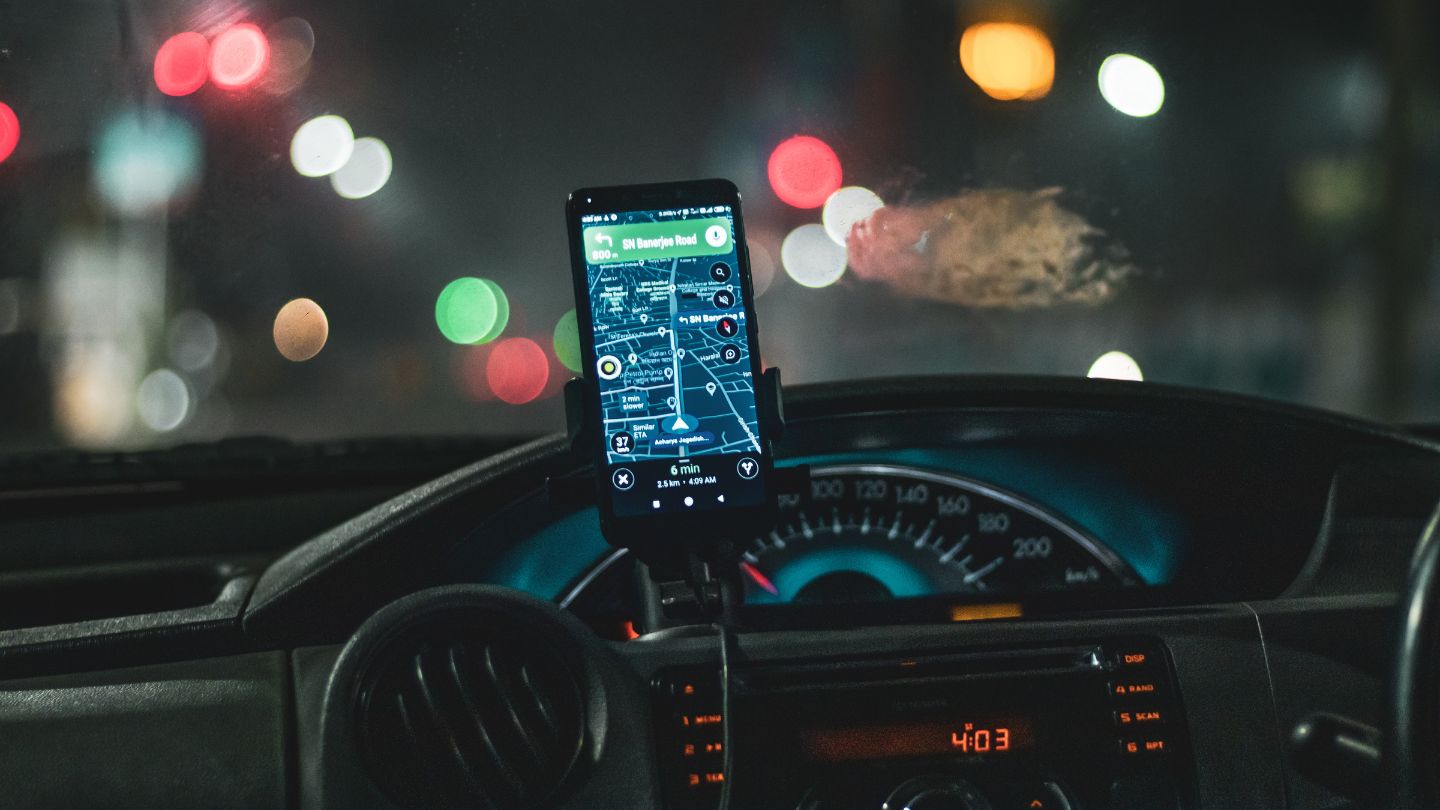
When a finance vehicle is not returned, lenders and asset owners often face the same challenge: tracking data shows roughly where the car is, but it does not confirm whether the vehicle can actually be recovered. Before a car is recovered, decision-makers need to know whether it is present, accessible, identifiable and safe to attend. This case study explains how independent field verification helps turn raw tracking intelligence into usable evidence, and how it supports the safe handling of a recovered stolen vehicle or unreturned finance asset.

Why Tracking Data Alone Is Rarely Enough
Tracking information is a valuable starting point, but it seldom answers every question a client needs to consider before acting. A location ping or reported sighting cannot confirm the vehicle’s true condition, whether it has moved, or whether attending the site carries any risk. Acting on incomplete information can lead to wasted attendance, unnecessary escalation and poorly documented decisions.
Before recovery action is taken, lenders and asset owners typically need to establish whether the vehicle is genuinely present, whether it is accessible, what condition it appears to be in, and whether anything at the location could affect a lawful recovery.
The Situation: An Unreturned Finance Vehicle
Tremark was asked to assist in a matter involving a finance vehicle that had not been returned as expected. The client had information suggesting the vehicle was at a known address but needed independent confirmation before deciding whether recovery could proceed.
The key questions were:
- Was the vehicle present at the location?
- Was it visible and identifiable?
- What was its apparent condition?
- Was there anything at the location that could affect recovery?
- What evidence could be provided to support the client’s next step?
Tremark’s Role in Verification
Tremark reviewed the available information and arranged field attendance to verify the position on site. The purpose of the attendance was not to take unnecessary risks or force recovery action, but to establish the facts, document what could be seen and provide the client with clear evidence.
During the attendance, the agent confirmed the vehicle’s presence, obtained photographic evidence, recorded relevant observations and reported on the visible condition and surroundings. This gave the client a clearer picture of the position and helped them decide the most appropriate lawful route forward.
Why Field Verification Matters Before a Car Is Recovered
In vehicle recovery matters, there is often a gap between knowing where a vehicle is believed to be and knowing whether recovery is practical or appropriate. A tracking point or reported sighting may not reveal that the vehicle has moved, is stored out of sight, is held at a third-party location, shows signs of damage, or requires recovery, storage, police or legal support before any further action is taken.
Independent asset inspection and field verification helps convert location intelligence into practical evidence. It can support:
- Confirmation of the vehicle’s location
- Photographic evidence of the vehicle and surroundings
- Visible condition reporting
- Assessment of access or recovery considerations
- Clearer decision-making before costs are incurred
- A documented record of what was observed
The Outcome
Following Tremark’s attendance and reporting, the client had independent evidence confirming the vehicle’s position and visible condition. This allowed the client to progress the matter with a clearer understanding of the risks, the likely recovery route and the next steps required.
Where appropriate, Tremark can also assist with coordination between the client, recovery agents, storage providers, police, legal representatives and other relevant third parties. If a vehicle has been reported stolen, the owner should also notify the police and obtain a crime reference number via the official GOV.UK guidance on stolen vehicles.
Lessons for Lenders, Hire Companies and Asset Owners
When a vehicle has not been returned, it can be tempting to move straight from tracking data to recovery action. In practice, a short verification stage helps avoid wasted attendance, unnecessary escalation and poorly documented decision-making. Before taking action, clients should consider:
- Do we have the correct vehicle details, including registration and VIN?
- Do we have evidence of ownership, finance interest or contractual rights?
- Is the latest location reliable?
- Do we need photographic confirmation?
- Is the vehicle accessible?
- Is recovery lawful and proportionate in the circumstances?
- Are recovery, storage, legal or police arrangements required?
Vehicle details can be cross-checked using the free DVLA vehicle information service to confirm registration and tax status before attendance.
How Tremark Can Help
Tremark provides practical vehicle location verification and stolen vehicle recovery support for lenders, hire companies, fleet operators, insurers, asset owners and legal teams. Our support can include case review, field attendance, photographic verification, condition and location reporting, and coordination with appropriate third parties where recovery, storage or onward transport is required.
This service is particularly useful where a client already has a suspected or confirmed location, tracking data, intelligence or a clear basis for further enquiries.
If you need support verifying a vehicle’s location or planning the next lawful step, contact Tremark for a confidential case review on the form below.
If you are a car finance or car lease company, you can also arrange for your vehicles to be checked at any point during the lease through our asset inspection service.
Frequently Asked Questions
What does it mean when a car is recovered?
When a car is recovered, it means the vehicle has been located and returned to its rightful owner or finance provider, or secured pending the next lawful step. Before a car is recovered, independent field verification helps confirm the vehicle is present, identifiable and safe to attend.
How is a recovered stolen vehicle handled?
A recovered stolen vehicle should be reported to the police with a crime reference number, and ownership or finance interest should be documented. Photographic evidence and condition reporting at the point of attendance help protect the owner’s position and support any insurance or legal action.
Why is field verification needed before recovery?
Tracking data shows where a vehicle is believed to be, but not whether it has moved, its condition, or whether attendance carries risk. Field verification turns location intelligence into documented evidence so a recovery decision is lawful, proportionate and well informed.
What information do I need before recovering a finance vehicle?
You should hold the correct vehicle details (registration and VIN), evidence of ownership or finance interest, a reliable recent location, and confirmation that recovery is lawful and proportionate. Storage, legal or police arrangements may also be required.
Can Tremark coordinate recovery, storage and police involvement?
Yes. Where appropriate, Tremark can coordinate between clients, recovery agents, storage providers, police and legal representatives, ensuring the recovery is documented and handled through the correct lawful route.
Categories
- Uncategorised
Popular Blogs