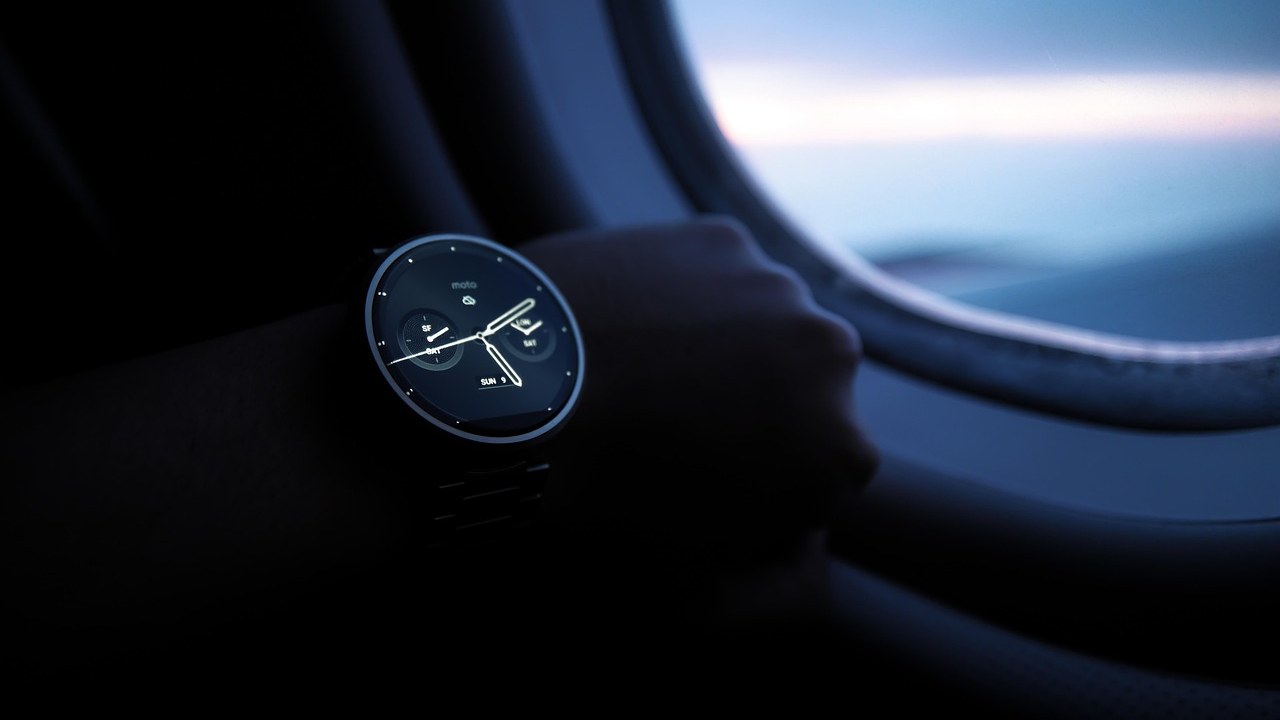
Your Smartwatch Could Be the Most Honest Witness in Your Claim
Most people glance at their smartwatch many times a day to check the time, a step count, a heart rate or a sleep score. Every glance adds to a daily record that is becoming wearable data evidence in injury and sickness claims. The wearer rarely sees it that way. They bought the watch to walk more or sleep better, and the log builds up for months or years. Then an accident happens, a claim starts and someone asks what the watch recorded.

Many people see that record as a private diary that can only show how much their life has shrunk. Insurers can read the same diary. A claimant gains from the watch only if the whole history can stand up to questions.
Your wrist already keeps a diary
A tracker logs the very things an injury claim is about. A doctor or a judge wants to know how far the claimant can walk. They also want to know how the body copes with effort and whether pain breaks their sleep. Tracker data speaks to those questions day by day, and it starts from before the accident. A claimant should ask early which device holds that baseline and how to export it.
Claimant solicitors already see the value. One firm gives a fall in daily step counts or exercise after an accident as an example of data that can support a claim. It adds sleep tracking that shows disturbed nights. A client may struggle to describe months of pain to a stranger. A graph that drops on the day of the accident says it plainly. The watch made that record before anyone had a reason to shape it. So the other side cannot easily say it was written for the claim.
No court has yet ruled on tracker data
Predictions have got ahead of the law. One claimant firm says it does not yet appear that there is a reported English personal injury judgment in which old wearable data would be central to assessing a claimant’s disability. So no judge has yet said how much weight a step count should carry against a medical report. A solicitor advising a client today has no decided case to cite, only expectation and the general rules of evidence.
The firms writing on the subject also disagree on how far it has come. A claimant firm says insurers already treat smartwatch evidence as being as useful as the traditional sources. A firm acting for insurers calls wearable technology the next development. That gap matters to anyone running a claim now, because wearable data evidence may be central in one file and never mentioned in the next. A claimant cannot assume the insurer will ignore the watch, and an insurer cannot assume the claimant has thought about it.
Either side can ask to see wearable data evidence
In England and Wales, the Civil Procedure Rules set out disclosure. This is the stage at which each side shows the other the documents that bear on the case. Rule 31.8 limits the duty to disclose to documents that are or have been in a party’s control. If a watch history is relevant, the other side can ask for it.

The risk lies in picking the helpful weeks. A claimant who relies on the six weeks after the accident, when their steps collapsed, has shown that the record exists. The insurer can then ask for the months either side, including any that tell a different story. Picking out favourable data can damage a claimant’s credibility, and a judge who doubts one part of the account may doubt the rest. Before relying on any extract, a claimant should read the full history and be ready to explain every month in it.
Surveillance will be read beside the data
Insurers already use CCTV, social media, dashcam footage and vehicle telematics to test a claim. A firm that acts for insurers lists surveillance among those familiar tools and expects wearables to join them. Recorded walks, runs or rides may then need explaining if they sit awkwardly with a claim of severe or prolonged restriction. So a claimant who says they cannot walk far may face two records at once. The same firm says recorded activity may need explanation if it looks inconsistent with the restriction claimed.

Each side should compare the two records before relying on either. Surveillance usually films a claimant over a few chosen days, while smartwatch data covers the months on either side. Where the footage shows a person moving carefully and the watch shows activity well below its old level, each record supports the other. Data from before and after an accident might equally show a clear fall in activity that backs the claimant’s account. Where the two clash, the claimant needs an explanation ready and the insurer should test the footage against the wider history.
Keep the whole record and explain any gaps
Use of these devices is uneven. In Ofcom’s 2018 survey data, tracker use was lowest among people aged 65 or over. It was also lowest among people with a disability that limits activity or work, and people of lower social grade. Many people likely to claim for serious loss of mobility fall into those groups. One reinsurer says 50% of owners stop wearing a device within a year, so a gap in the record needs explaining like any other part. Even so, the same reinsurer puts UK wearers at 17%, or 6 million adults.
A claimant who wore a device should preserve the data and tell their solicitor about it, and should not delete anything that may be relevant. Solicitors on both sides should ask early whether a device exists, when the claimant wore it and where its history sits. Where surveillance in an injury claim is planned, the brief should say what the tracker shows so that everyone can weigh the two records together.
If you are handling a claim in which wearable data evidence may be disclosed, or you need surveillance planned so that it can be read beside a claimant’s device history, Tremark Associates can help. Call our team on 0113 263 6466 or use the form below to discuss your case.
Frequently Asked Questions
Can a fitness tracker be used as evidence in a personal injury claim?
Yes, if it is relevant and the court accepts it as reliable. The party relying on the data must show it came from the claimant’s device and that nobody altered it. The court decides how much weight the data carries.
Does wearable data evidence have to be disclosed to the other side?
Often, yes, where it is relevant and in the party’s control. In England and Wales, disclosure covers only documents in a party’s control, so the duty does not reach data the party cannot get hold of. So the other side cannot simply reuse a claimant’s step history for something else.
Should a claimant delete or keep smartwatch data after an accident?
A claimant should keep it and not delete data that may be relevant, and should tell their solicitor that the device exists. Any periods when the watch was not worn are worth raising early. A reinsurer’s figures suggest a third of users stop wearing these devices after six months, and the other side may ask about the gaps.
Categories
- Surveillance
Popular Blogs